
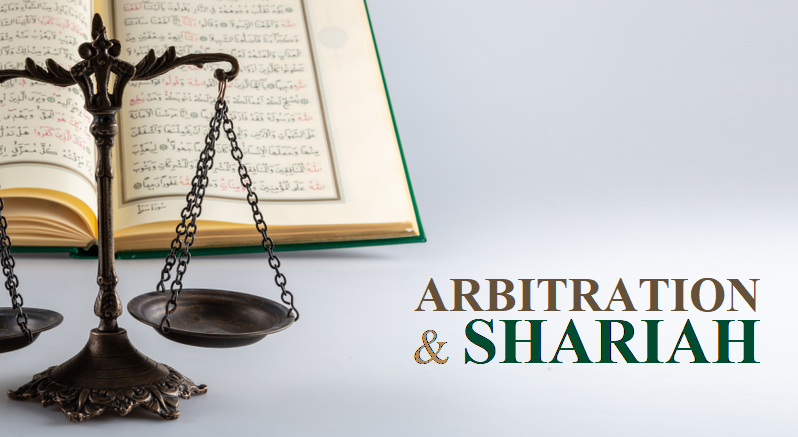
Islamic arbitration can be one of the most effective ways of resolving disputes because it aims not only at ending conflict, but also at restoring justice, dignity, and social harmony. Stephen Covey’s seven habits offer a useful framework for understanding how arbitration becomes effective when it is guided by responsibility, purpose, fairness, listening, cooperation, and continuous improvement. When read alongside Islamic principles such as shūrā, ʿadl, sulḥ, amānah, and taqwā, Covey’s habits help explain why good arbitration is not merely procedural; it is moral, relational, and transformative. Covey’s model emphasizes responsibility, vision, prioritization, mutual benefit, empathy, synergy, and renewal, while Islamic arbitration gives these ideas spiritual depth and ethical accountability. Together, they create a strong foundation for resolving disputes in a way that is practical and principled.
Introduction
Arbitration in Islam is rooted in the broader goal of restoring peace and justice within the community. The Qur’an encourages reconciliation and fair judgment, and the Prophetic tradition models dispute resolution through patience, consultation, and equity. In many modern legal and community settings, arbitration fails when it becomes adversarial, rushed, or self-interested. Covey’s seven habits can help correct this by showing how effective conduct begins with self-mastery and ends with mutual growth. This article relates each habit to Islamic arbitration and shows how the two can work together to produce credible and humane outcomes.
Be proactive
Covey’s first habit, “Be proactive,” means taking responsibility for one’s choices rather than reacting impulsively to circumstances. In Islamic arbitration, this is the attitude of a disputant, arbitrator, or community leader who seeks resolution early, before anger hardens into hostility. Islam teaches personal accountability, and the Qur’anic emphasis on changing oneself before expecting change in society aligns with this habit. A proactive arbitrator does not wait for conflict to collapse relationships; instead, they create channels for dialogue, mediation, and timely intervention. This makes arbitration more effective because the process begins before trust is completely lost.
Proactivity also matters for the parties themselves. If disputants enter arbitration with a willingness to disclose facts honestly, consider compromise, and respect procedure, the process becomes more efficient and less destructive. In Islamic ethics, this is close to the idea of amānah, or trustworthiness, because each participant has a duty to handle the dispute responsibly. A proactive attitude therefore reduces delay, resentment, and manipulation. It turns arbitration into a constructive moral duty rather than a last-minute technical remedy.
Begin with the end in mind
Covey’s second habit urges people to begin every action with a clear purpose. In Islamic arbitration, the “end” is not simply winning a case, but restoring justice, preserving relationships where possible, and attaining a settlement that is pleasing to Allah and beneficial to the community. This aligns with the Islamic worldview in which worldly action is evaluated in light of ultimate accountability. The Qur’an repeatedly reminds believers to consider the consequences of their deeds, and this long-term orientation strengthens arbitration because it discourages narrow self-interest.
An effective arbitrator begins by asking what kind of peace the parties need and what outcome is most consistent with fairness and divine guidance. This does not mean forcing identical results in every case; rather, it means keeping the larger objectives in view. For example, a commercial dispute may require compensation, while a family dispute may require counseling, apology, or carefully structured reconciliation. The arbitrator who begins with the end in mind will not focus only on legal closure, but also on social healing. That broader vision is one reason Islamic arbitration can be so resilient when properly guided.
Put first things first
The third habit, “Put first things first,” is about priorities and disciplined action. In Islamic arbitration, this means giving priority to justice, truth, and reconciliation before ego, pride, or procedural convenience. The process should not be dominated by who speaks loudest or who has greater status. Instead, it should be organized around the most important values: fairness, evidence, good faith, and the public interest. Covey’s habit reinforces the Islamic principle that moral priorities must govern practical decisions. This habit is especially important when disputes are emotionally charged. Parties may want revenge, public humiliation, or delay, but an effective arbitrator keeps the focus on what must be done first to stabilize the situation. That can include securing facts, preventing further harm, protecting vulnerable parties, and clarifying the issues in dispute. In Islamic arbitration, prioritization also means recognizing when reconciliation is possible and when a firm ruling is necessary. The ability to order priorities wisely is one mark of a trustworthy and competent arbitrator.
Think win-win
Covey’s fourth habit, “Think win-win,” is highly relevant to arbitration because arbitration works best when both sides believe the outcome is fair enough to accept. In Islamic arbitration, win-win thinking reflects the spirit of sulḥ, or amicable settlement, where the goal is not humiliation but balanced resolution. Islam discourages injustice even toward opponents and urges believers to respond to conflict with what is better. That ethical posture makes it possible for arbitration to resolve disputes without creating new enmity.
A win-win arbitrator looks for solutions that preserve dignity on both sides. This may involve structured compromise, creative compensation, or arrangements that allow future cooperation. In family, business, and neighborhood conflicts, this approach is often more sustainable than an all-or-nothing decision. The Qur’anic ethic of repelling evil with what is better supports this same outcome-oriented spirit. When parties feel that neither has been crushed, they are more likely to comply, reconcile, and maintain community ties. That is a major reason Islamic arbitration can be more effective than a purely punitive model.
Seek first to understand
Covey’s fifth habit, “Seek first to understand, then to be understood,” may be the most important habit for arbitration. Many disputes become worse because each side feels unheard, misrepresented, or prematurely judged. Islamic arbitration values listening carefully before giving judgment, and this aligns closely with the Qur’anic and Prophetic emphasis on attentive, respectful communication. The literature comparing Covey’s model with Islamic teachings highlights empathy and understanding as central ethical principles.
For an arbitrator, understanding means more than hearing words. It means identifying interests, fears, histories, and misunderstandings behind the surface conflict. A person may present a financial claim, but the real issue may be trust, humiliation, or fear of future exploitation. By listening first, the arbitrator can tailor the solution to the real dispute rather than merely its outward form. This leads to greater legitimacy because people are more likely to accept a decision that reflects their actual concerns. In Islamic terms, this is part of acting with hikmah, or wisdom, and it supports justice that is both fair and humane.
Synergize
Covey’s sixth habit, “Synergize,” means creating a result that is better than what either party could produce alone. In Islamic arbitration, synergy is closely related to shūrā, or consultation, and to the Qur’anic command to cooperate in righteousness and piety. The comparative literature on Covey and Islam specifically notes that the Prophetic model of consultation enriches the idea of cooperative synergy. This is important because arbitration is not just about deciding between two positions; it is about constructing a workable future after disagreement.
Synergy becomes visible when the arbitrator brings together facts, values, and the legitimate interests of both sides to create a durable agreement. For example, in a business dispute, one side may need payment while the other needs time and confidentiality. A synergistic settlement may satisfy both through phased repayment and a non-disparagement agreement. In a family dispute, synergy may involve apology, counseling, and clear behavioral boundaries rather than a simple yes-or-no ruling. This habit shows why effective arbitration often depends on creativity, not just authority.
Sharpen the saw
Covey’s seventh habit, “Sharpen the saw,” refers to continual renewal of the self. For Islamic arbitration, this habit applies directly to arbitrators, lawyers, community mediators, and even the parties themselves. An arbitrator who is spiritually grounded, intellectually informed, emotionally balanced, and procedurally skilled is far more effective than one who is tired, biased, or outdated. The Islamic emphasis on seeking knowledge and self-improvement strengthens this habit, and the comparative sources highlight continuous growth as part of the shared ethical framework.
Sharpening the saw means improving knowledge of Islamic law, dispute resolution methods, communication skills, and local social realities. It also means maintaining sincerity and avoiding ego-driven decision-making. Arbitration loses credibility when the decision-maker is careless, angry, or unfamiliar with the needs of the community. By contrast, a renewed and disciplined arbitrator can handle disputes more fairly and consistently. In this sense, personal renewal is not optional; it is essential to effective Islamic arbitration.
Why this framework works?
Covey’s seven habits work well with Islamic arbitration because both frameworks reject shallow success. They insist that effectiveness depends on character, purpose, and relationships, not just procedure or power. Covey’s book is widely recognized for emphasizing fairness, integrity, honesty, and human dignity, and those values strongly overlap with Islamic ideals of justice and reconciliation. The Islamic approach adds a deeper layer by linking human conduct to accountability before God.
This combined framework is useful in contemporary settings such as family councils, commercial disputes, neighborhood conflicts, and community justice forums. It reminds arbitrators that technical competence is not enough without moral clarity. It also reminds disputants that sincere participation is part of ethical conduct. When the seven habits are internalized, arbitration becomes more than a mechanism for ending conflict; it becomes a process of moral repair. That is exactly why Islamic arbitration can be effective where trust, community cohesion, and principled authority matter.
Conclusion
The seven habits provide a clear language for understanding why Islamic arbitration can be effective. Proactivity encourages responsibility, beginning with the end in mind gives purpose, putting first things first sets priorities, thinking win-win promotes fairness, seeking first to understand deepens listening, synergizing builds creative solutions, and sharpening the saw ensures continuous renewal. When these habits are joined to Islamic principles such as shūrā, sulḥ, ʿadl, amānah, and taqwā, arbitration becomes a balanced system for justice and reconciliation. The result is a process that does more than settle disputes; it helps restore relationships, protect dignity, and strengthen the community. At Taibjee Consultants our own tagline combines the need for when business meets law.
Shafiq Taibjee
Lawyer/Arbitrator/Mediator/Certified Islamic Arbitrator/Court Annexed Mediator/Banking Mediator. Honorary Fellow IICRA (UAE)