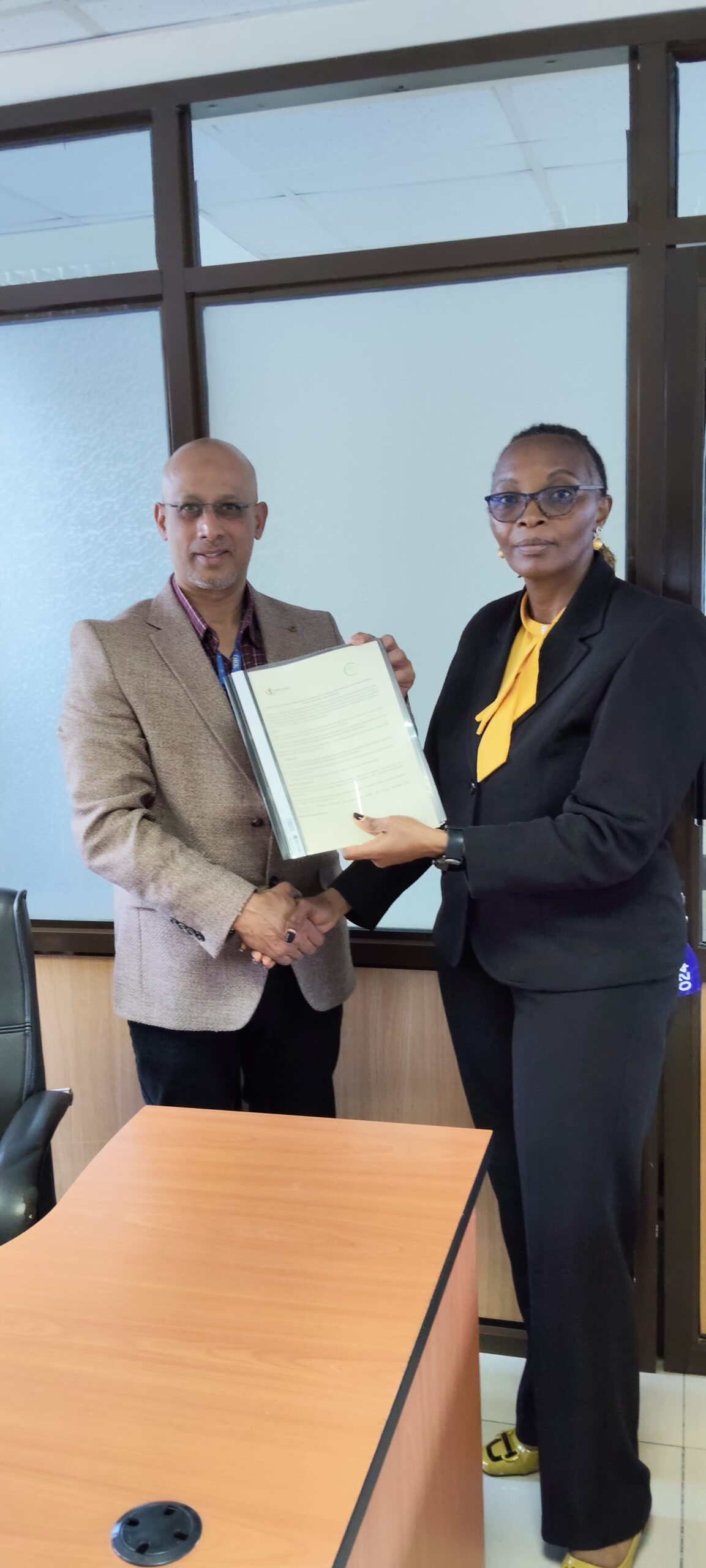
Taibjee Consultants and Tatua Center Sign MOU on the 5th May 2026

Tatua Center, a specialized dispute resolution institution established in November 2014 to address disputes from Kenya's Credit Information Sharing (CIS) framework, evolved from operating under the Credit Information Sharing Association of Kenya to becoming an independent legal entity in 2021, aligning with World Bank principles of independence, transparency, and fairness.


In a strategic collaboration with Taibjee Consultants, this partnership unlocks mutual benefits like enhanced expertise sharing, expanded service reach, and innovative solutions for complex disputes. Taibjee Consultants brings specialized training programs in Alternative Dispute Resolution (ADR) and Islamic banking ADR (SULH), empowering Tatua Center to offer culturally sensitive, Sharia-compliant resolutions for financial institutions, while Tatua gains cutting-edge consultancy tools to strengthen its CIS-focused operations and promote efficient, equitable outcomes across Kenya's growing financial sector.


Taibjee Consultants is a specialized Firm that’s entire focus is on ADR, Including expertise in Banking Mediation and Islamic Arbitration in Kenya. The lead Consultant Shafiq Taibjee is also an Honorary Fellow with IICRA which is based in Dubai -UAE representing Kenya, Member Arbitrator with the Chartered Institute of Arbitrators both in the UK and Kenya.

image
image
image
image
image
Events

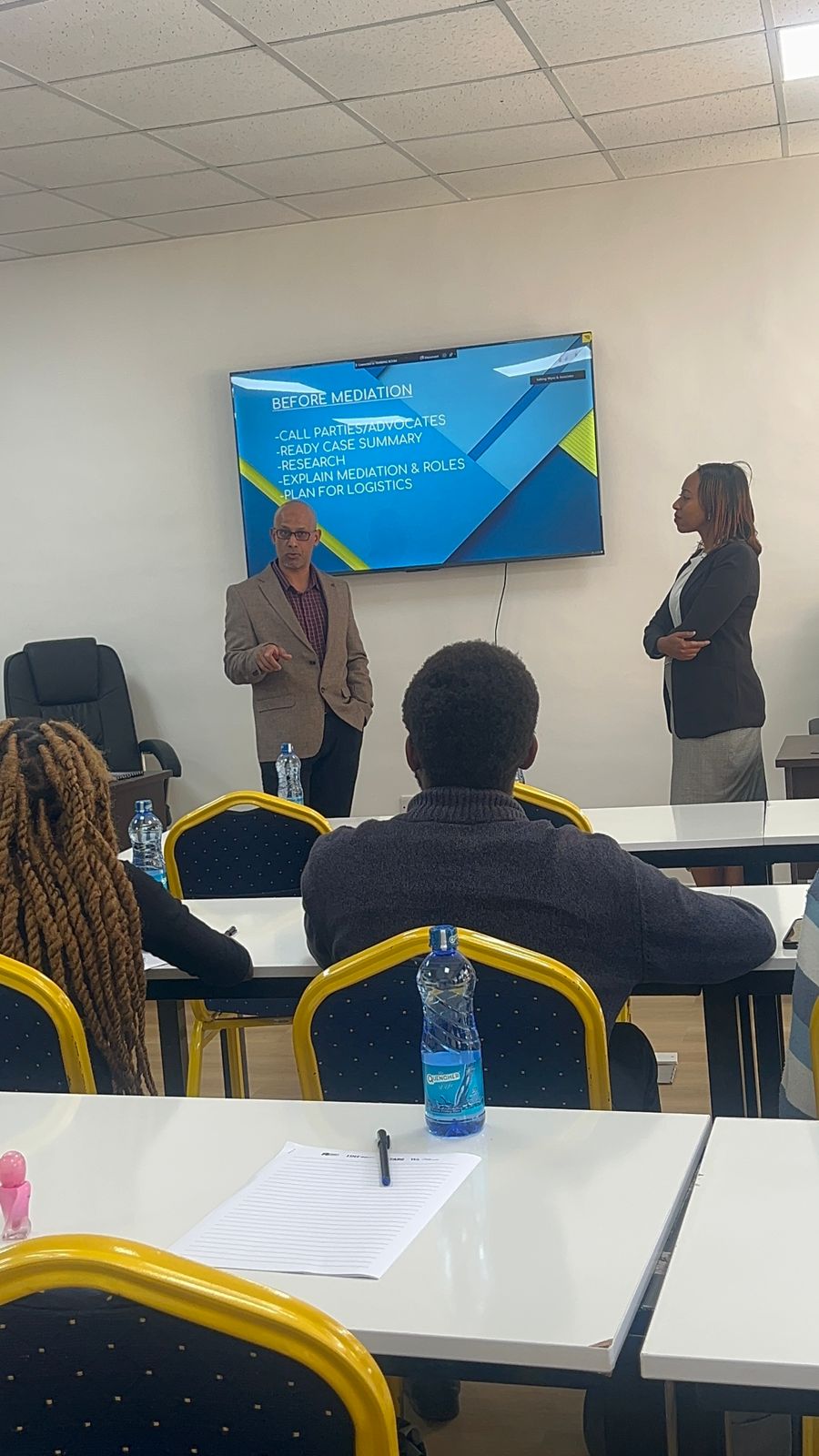
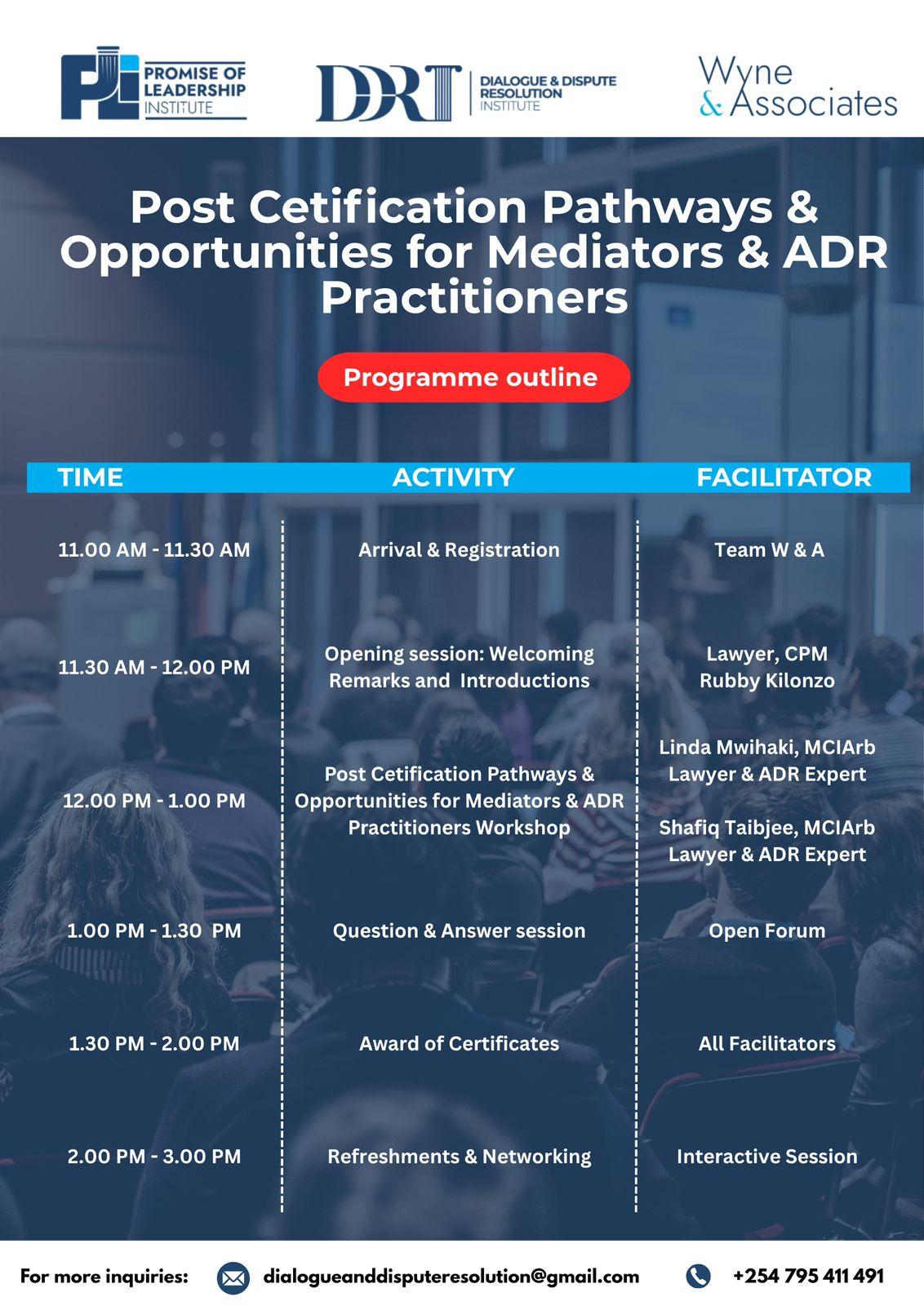
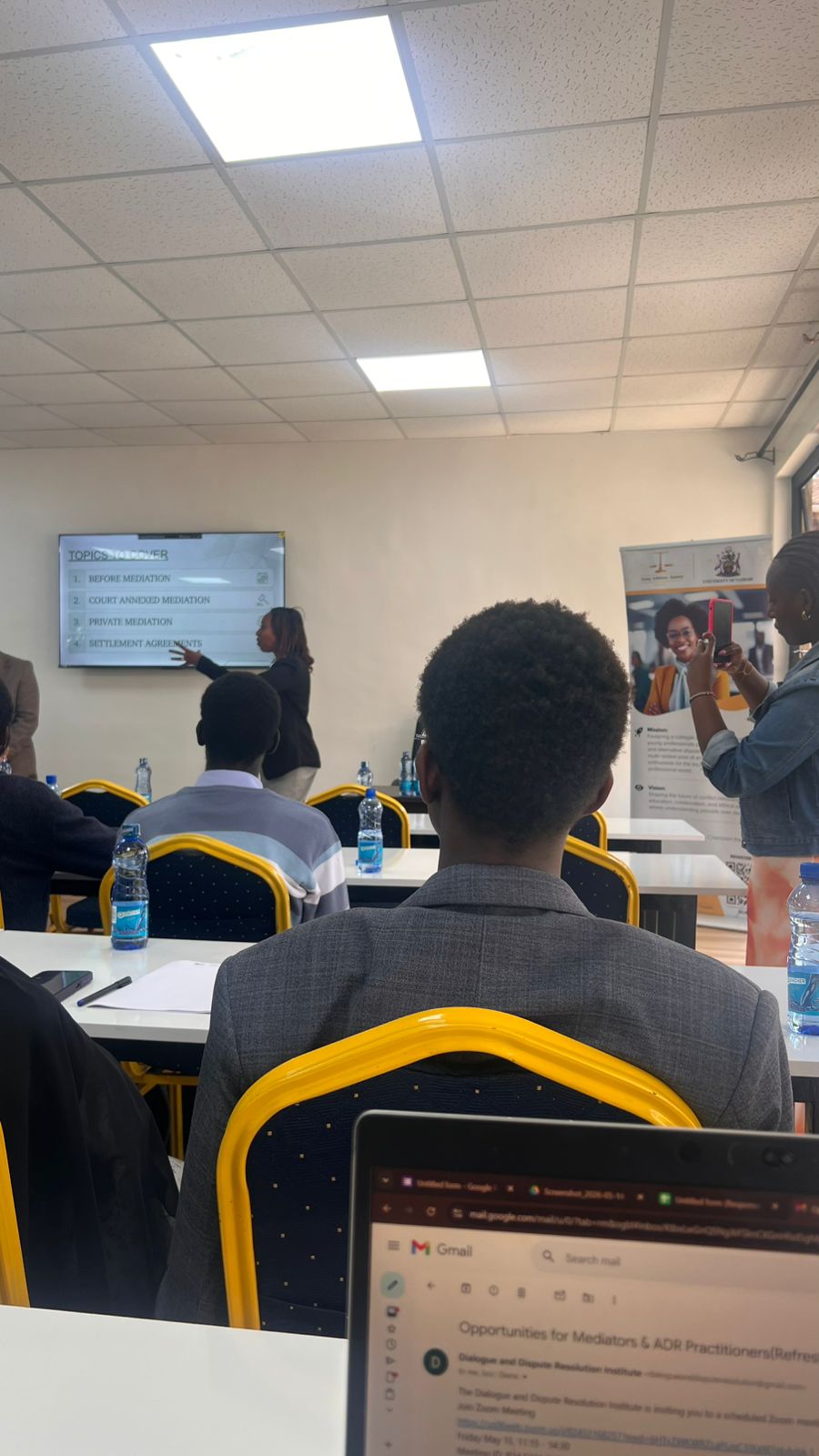
Taibjee Consultants Presentation at DDRT (Dialogue and Dispute Resolution Institute)

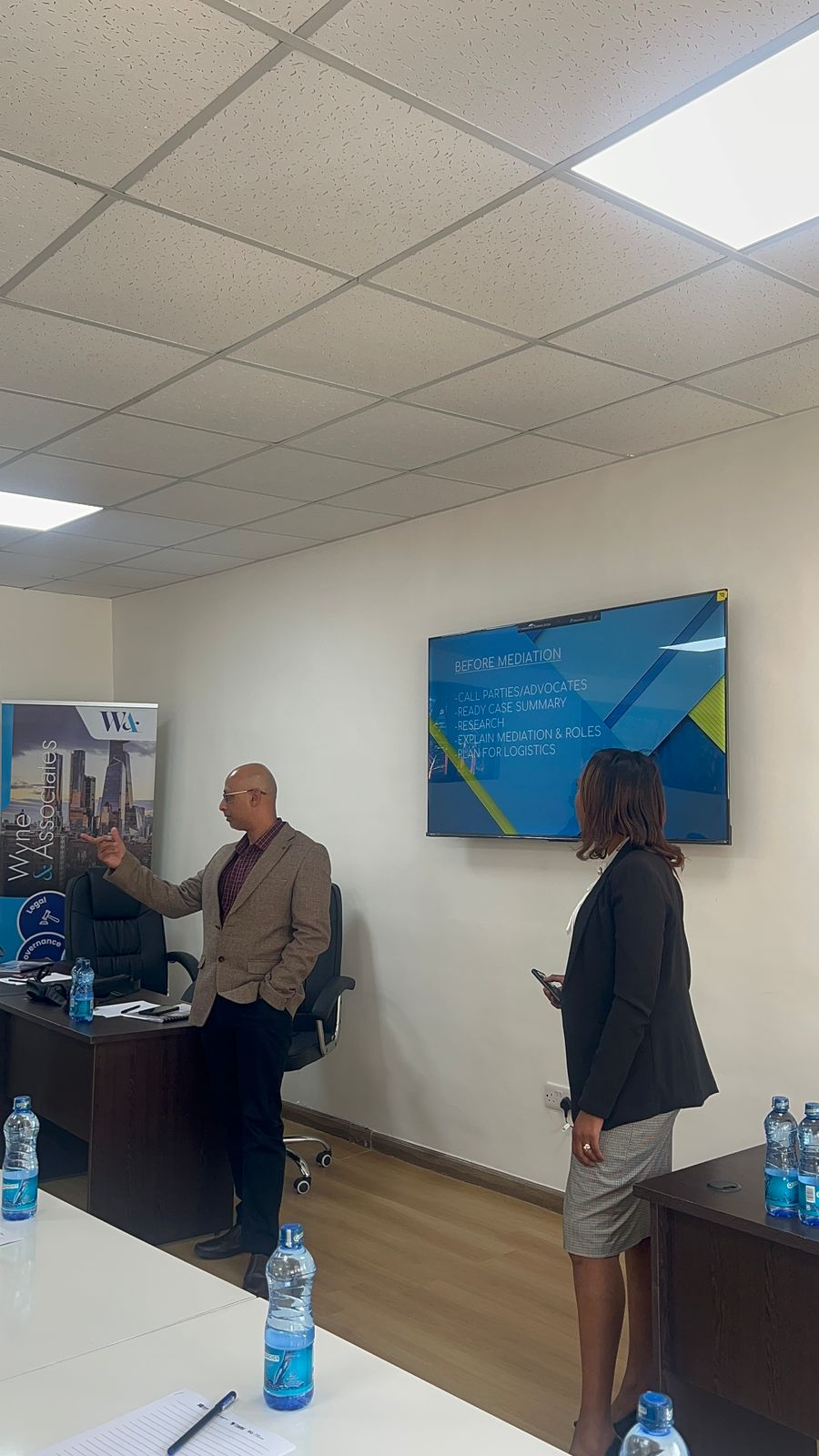
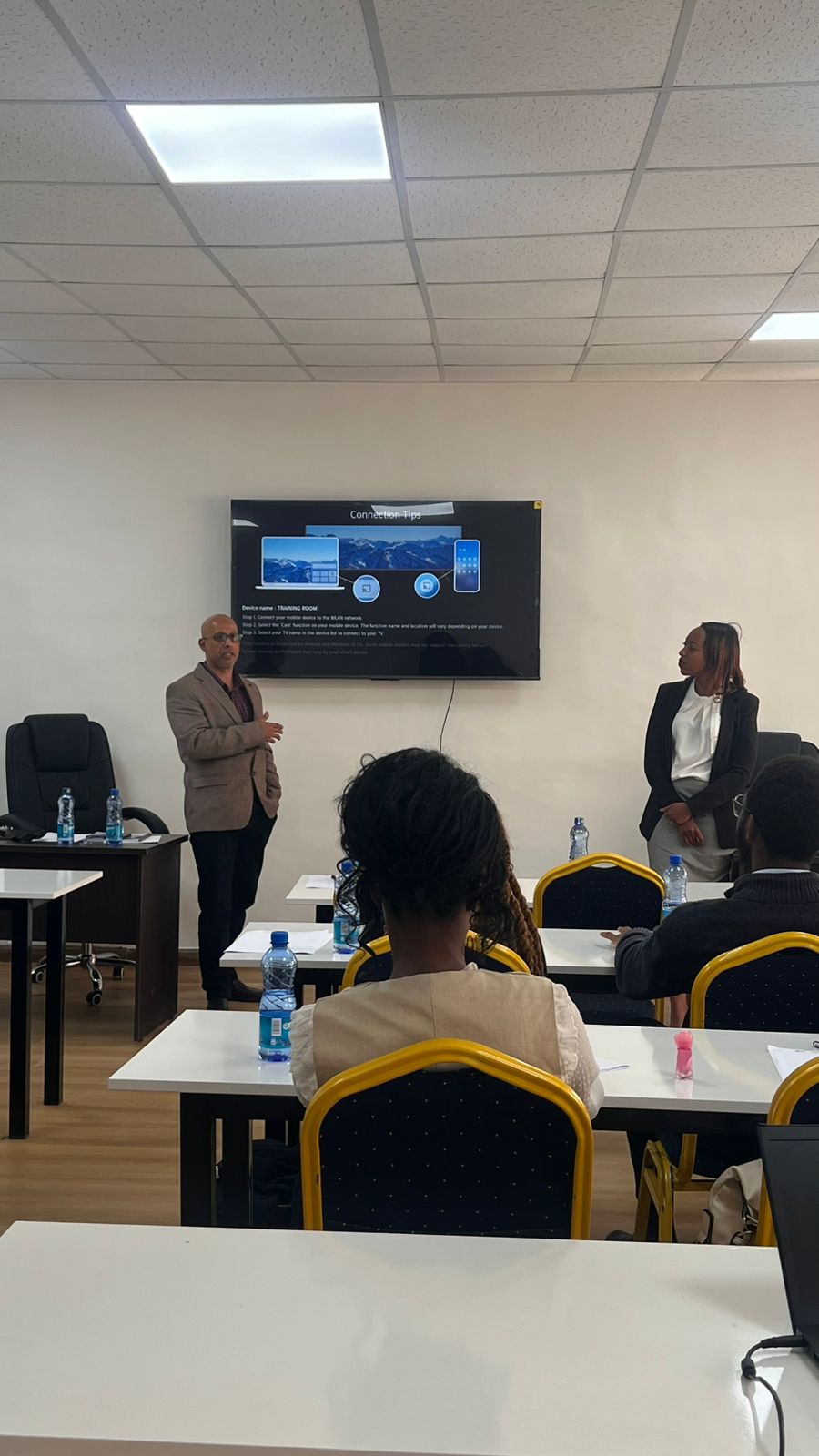
I did a presentation with Advocate Linda Mwihaki at the DDRT (Dialogue and Dispute Resolution Institute) on the 15/5/2026 on the POST CERTIFICATION PATHWAY & OPPORTUNITIES FOR MEDIATORS & ADR PRACTIONERS

The role of the mediator is to facilitate a fair, respectful, and confidential process through which disputing parties can communicate effectively and work toward a voluntary settlement. A mediator does not act as a judge or decision-maker, but instead guides the discussion, clarifies issues, manages conflict, and helps the parties identify workable solutions. To conduct mediation sessions professionally, the mediator should begin by explaining the process, setting ground rules, and confirming confidentiality.

Each party should be given an equal opportunity to speak, and the mediator should maintain neutrality, control the tone of the session, and keep the discussion focused on resolution. Where necessary, private caucuses may be used to explore concerns and settlement options in confidence. A professional mediator must remain impartial, avoid conflicts of interest, protect confidentiality, and ensure that any agreement reached is clearly documented and understood by both parties.